Home » Knowledge Center » Forklift Hire in Saudi Arabia: A Complete Guide
Forklift Hire in Saudi Arabia: A Complete Guide
Whether you’re managing a warehouse, running a construction site, or handling seasonal distribution peaks, forklift hire gives Saudi businesses access to the right material handling equipment without the cost and commitment of ownership. This guide walks through how forklift hire works, what to consider before booking, and how to choose between the many options available across the Kingdom.
On This Page
- What Forklift Hire Actually Means
- When Hiring Makes More Sense Than Buying
- Types of Forklifts Available for Hire
- How to Choose the Right Forklift for Your Job
- The Hire Process Step by Step
- What Affects Forklift Hire Costs
- Hiring With or Without an Operator
- FAQ
What Forklift Hire Actually Means
Forklift hire is simply renting a forklift for a defined period, ranging from a single day to an ongoing monthly arrangement, rather than purchasing the equipment outright. The rental company retains ownership, handles maintenance and certification, and supplies a unit matched to your stated requirements, while you pay only for the time you actually need the equipment. This model has become the standard approach for most Saudi businesses with variable or seasonal material handling needs, since it converts a large capital expense into a predictable operating cost.
When Hiring Makes More Sense Than Buying
Hiring is the clear choice when your need is temporary, seasonal, or uncertain in duration, such as a construction project with a defined timeline or a retailer facing a predictable pre-holiday inventory surge. It also makes sense when you need a specific forklift type only occasionally, since owning specialized equipment that sits idle most of the year rarely justifies the purchase price, storage space, and ongoing maintenance and certification costs. Even businesses with steady, year-round material handling needs increasingly choose long-term hire over ownership, since it shifts maintenance risk and equipment aging onto the rental provider rather than the business itself.
Types of Forklifts Available for Hire
Electric forklifts are the standard choice for indoor warehouse work, offering quiet, emission-free operation well suited to enclosed spaces and around staff. Diesel forklifts handle outdoor and rough-terrain applications where range and torque matter more than indoor air quality. Capacity ranges typically span from around 1.5 tons for light warehouse pallet work up to 10 tons or more for heavy industrial and construction material handling. Specialized variants, including narrow-aisle and reach-truck configurations, are also available for high-density warehouse layouts where standard counterbalance forklifts can’t maneuver efficiently.
How to Choose the Right Forklift for Your Job
Start with your typical load weight and lift height, since undersizing a forklift creates safety risk while oversizing wastes money on unnecessary capacity. Consider your operating surface: warehouse floors favor electric units, while construction sites and unpaved yards generally require diesel or rough-terrain models. Aisle width and turning radius matter significantly in tighter warehouse layouts, where a standard forklift may simply not fit. Finally, think about how long you’ll need the unit, since rental terms and pricing structures differ meaningfully between a single-day booking and a six-month contract.
The Hire Process Step by Step
A typical forklift hire starts with sharing your requirements, including load weight, lift height, operating environment, and rental duration, with your chosen provider. The provider then recommends a suitable unit and confirms availability and pricing. Once agreed, delivery is scheduled to your site, with the unit inspected and demonstrated on arrival. At the end of the rental period, the provider collects the equipment, and any extension or swap to a different unit can typically be arranged with a simple phone call or message rather than a new contract process.
What Affects Forklift Hire Costs
Forklift hire pricing depends primarily on capacity class, power type, and rental duration, with monthly rates generally offering better value per day than short-term bookings. Delivery distance from the provider’s regional base can add mobilization charges, particularly for remote industrial sites. Optional extras like a trained operator, extended warranty coverage, or attachments such as fork extensions or clamps will also affect the total cost, so it’s worth clarifying exactly what’s included before comparing quotes between providers.
Hiring With or Without an Operator
Most rental providers offer forklifts with or without a certified operator included. Hiring with an operator removes the need to have a licensed forklift driver on your own team, which is useful for short-term projects or businesses without in-house certified staff. Self-operated hire is generally more cost-effective for businesses with their own trained operators and ongoing, predictable usage patterns. Either way, confirming that operators are properly certified, or that your own staff hold valid certification, is a safety requirement, not an optional consideration.
Frequently Asked Questions
What’s the minimum forklift hire period?
Most providers offer daily rentals as the minimum, though monthly rates typically offer significantly better value for ongoing needs.
Do I need a special license to operate a hired forklift?
Yes, forklift operation requires proper certification, and rental providers can supply a certified operator if your own staff aren’t licensed.
Can I switch to a different forklift model mid-rental if my needs change?
Most providers can arrange a swap to a different capacity or type, subject to availability, without restarting the full contract process.
Related Resources
Forklift Rental Hub | Electric vs. Diesel Forklift Rental | Forklift Rental in Riyadh
Ready to hire a forklift? Contact our team to discuss your requirements and get a quote.
Forklift Hire Across Different Industries
Retail and distribution businesses typically hire electric forklifts for warehouse pallet handling, with demand often spiking ahead of major shopping seasons when inventory volumes climb sharply. Construction contractors lean toward diesel and rough-terrain units for moving building materials across unfinished sites, often needing capacity in the 3 to 5 ton range for structural materials and heavier equipment. Manufacturing facilities frequently combine both: electric units for finished-goods handling on clean factory floors and diesel units for raw material movement in outdoor yard areas. Food and beverage distributors have particular requirements around indoor air quality and hygiene, making electric forklifts with appropriate certifications the standard choice for cold storage and food handling environments.
Common Forklift Attachments Worth Knowing About
Standard forks handle most palletized loads, but specialized attachments can significantly expand what a hired forklift can do. Fork extensions allow handling of longer or oversized loads that wouldn’t sit securely on standard forks. Clamp attachments are useful for handling drums, bales, or non-palletized goods without damaging the load. Side-shift carriages let operators fine-tune fork positioning without repositioning the entire vehicle, which speeds up repetitive pallet placement work in tight warehouse aisles. If your operation has specialized load types, it’s worth asking your rental provider what attachments are available rather than assuming standard forks will suffice for every task.
What to Check in Your Hire Contract
Before signing a forklift hire agreement, confirm the exact rental period and renewal terms, what happens if you need to extend or shorten the rental, and who is responsible for routine maintenance versus damage repair. Reputable providers include routine servicing as part of the rental price, while damage from misuse typically falls to the renter, so understanding this distinction protects you from unexpected charges. It’s also worth confirming delivery and collection logistics, including who bears responsibility for the equipment during transport, and what the response time looks like if the unit develops a mechanical issue mid-rental.
Planning Around Seasonal Demand
Forklift demand in Saudi Arabia tends to climb around Ramadan, the summer tourism season in mountain and coastal cities, and the fourth quarter retail period, as businesses across hospitality, retail, and distribution ramp up activity simultaneously. Booking a few weeks ahead of these predictable peak periods significantly improves your chances of securing the specific capacity and power type you need, rather than settling for whatever remains available on short notice. Businesses with recurring seasonal needs often find it worthwhile to establish a standing arrangement with a provider ahead of each peak season rather than starting the search fresh every time.
Fleet Age and Reliability
Newer forklift models generally offer better fuel efficiency, improved ergonomics, and more advanced safety features, but a well-maintained older unit from a reputable provider can be just as reliable for standard warehouse or construction use. What matters more than the model year is the provider’s maintenance discipline, since a poorly maintained newer unit will cause more downtime than a well-serviced older one. Ask providers about their inspection frequency and what backup arrangements exist if your hired unit develops a fault mid-rental, since this response capability often matters more day-to-day than the equipment’s age.
Hiring Multiple Units for Larger Operations
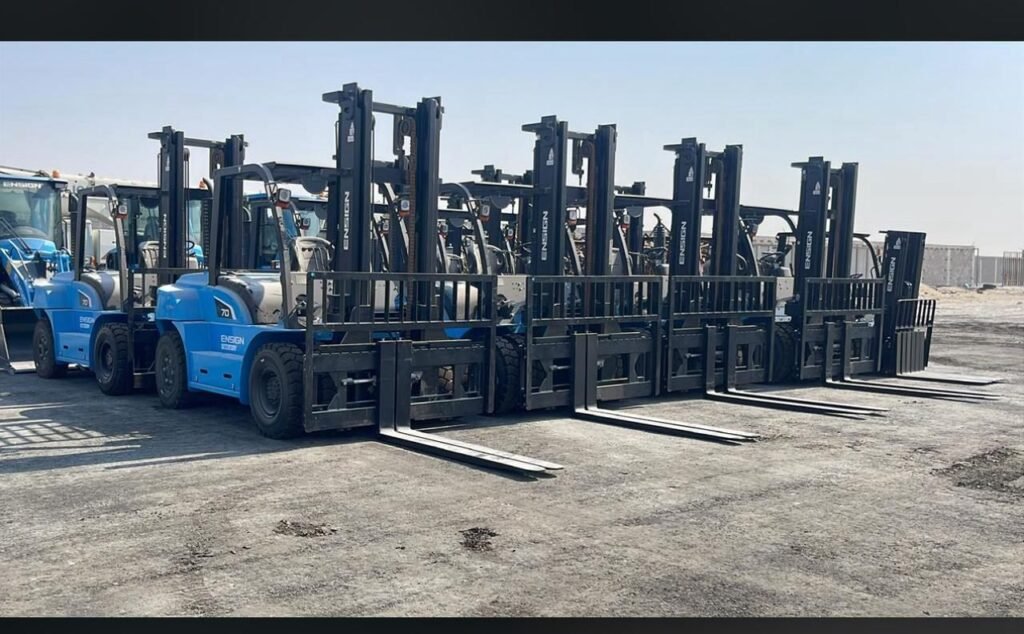
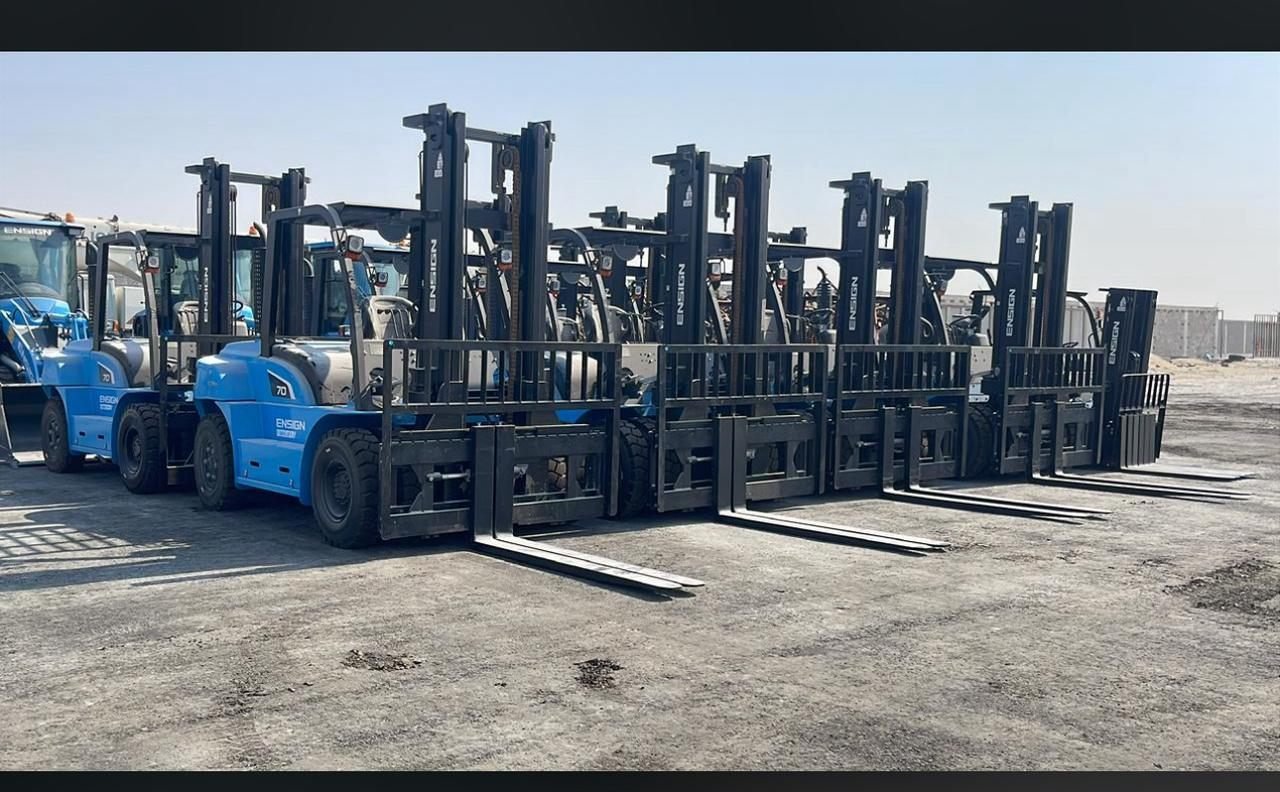
Businesses running larger warehouses or multi-phase construction projects often hire several forklifts simultaneously, sometimes across different capacity classes to match different tasks happening in parallel. Consolidating multiple units under a single provider and contract typically simplifies billing, maintenance coordination, and delivery logistics compared to managing several separate rental relationships. It also often unlocks better per-unit pricing than hiring each forklift individually, since providers can offer volume terms for larger, ongoing fleet arrangements.