Home » Knowledge Center » How to Choose the Right Crane Rental
If you’ve never rented a crane before, the range of options can feel overwhelming — tonnage classes, mobile versus crawler configurations, boom lengths, operator requirements. This guide walks through the decisions that actually matter, in the order a project manager should think about them, so you can request an accurate quote the first time instead of going back and forth on details that should have been clear from the start.
Start With the Load, Not the Crane
The single biggest mistake first-time renters make is asking “what crane do I need?” before they’ve nailed down the actual lift specifics. Before you contact any rental company, know three numbers: the load’s weight, its approximate dimensions, and the distance from where the crane can realistically position itself to where the load needs to end up. That third number — lift radius — matters as much as weight, because a crane’s rated capacity drops significantly as radius increases. A crane “rated” for 100 tons close to its base might only safely handle a fraction of that at 20 meters out.
Mobile vs. Crawler: Matching Crane Type to Ground Conditions
Mobile cranes travel on wheels and set up quickly — the default choice for most standard construction lifts on firm, reasonably level ground. Crawler cranes move on tracks, trading transport speed for dramatically better stability on soft, uneven, or previously-disturbed ground, plus generally higher capacity at extended radius. If your site has been recently backfilled, sits on reclaimed land, or simply isn’t paved yet, don’t assume a mobile crane will work just because it’s the more common and often cheaper option — ask your rental provider to confirm ground-bearing suitability before booking.
Why Lift Radius Changes Everything
Crane capacity charts are organized around radius for a reason: the same crane that lifts 50 tons at a 5-meter radius might be rated for only 15 tons at 20 meters. This isn’t a minor technicality — it’s the difference between a safe lift and a serious accident. When you request a quote, describe not just the load weight but where the crane will physically stand relative to where the load needs to go. A good rental provider will ask this before quoting; if they don’t, that’s worth noticing.
Licensed Operators Are Non-Negotiable
Unlike most other rental equipment, crane operation in Saudi Arabia requires a licensed, certified operator — this isn’t an upsell or optional service, it’s a regulatory requirement tied directly to the genuinely serious safety stakes of crane work. Any provider offering to rent you a crane without a certified operator, or treating operator inclusion as a negotiable line item to cut for a lower price, should be an immediate red flag rather than a cost-saving opportunity.
Site Access and Setup Time
Larger cranes — especially crawler units transported in sections — need real setup and teardown time, sometimes measured in hours rather than minutes. Factor this into your project schedule, and make sure your site can actually accommodate the crane’s access route, swing radius, and any overhead clearance needs (power lines are a genuine and common hazard). For complex or tight sites, ask your provider about a pre-booking site assessment rather than discovering an access problem on delivery day.
What Actually Drives Crane Rental Cost
Beyond the obvious factor of tonnage, cost is driven by crane type (crawler units typically cost more due to transport and setup complexity), rental duration, and how much site preparation or route planning your location requires. A transparent quote should separate these clearly — crane and operator, transport and setup, and any site-specific costs — rather than bundling everything into one number you can’t meaningfully compare against another provider’s quote.
A Simple Pre-Booking Checklist
- Load weight and dimensions confirmed, not estimated
- Lift radius measured from likely crane position to final load position
- Ground conditions at the crane’s operating position assessed
- Overhead obstructions (power lines, structures) identified
- Licensed operator confirmed as included in the quote
- Site access route confirmed for the crane and any support vehicles
Frequently Asked Questions
How far in advance should I book a crane?
For standard mobile crane lifts, a few days’ notice is often sufficient. For larger crawler cranes or during busy industrial maintenance seasons, book several weeks ahead where possible.
Can I get a same-day crane rental?
It depends on availability and crane size — smaller mobile cranes are more likely to be available on short notice than large crawler units.
What happens if my lift is more complex than I initially described?
A good provider will flag this during the quoting process and recommend an appropriate site assessment before confirming final pricing, rather than discovering a mismatch on lift day.
Ready to Book a Crane?
Share your load weight, lift radius, and site details with our team via WhatsApp or call +966 55 936 2375 — we’ll confirm the right crane and a licensed operator for your specific lift. Learn more on our Crane Rental page.
Don’t Skip the Insurance Conversation
Given the value of both the crane itself and whatever it’s lifting, insurance coverage is worth a direct conversation before your lift date, not an assumption. Ask specifically whether coverage extends to the load being lifted or is limited to the crane equipment alone, and what the coverage limit actually is. This is a five-minute conversation that matters enormously in the rare event something goes wrong, and any provider who seems evasive about answering it directly is worth a second look before you commit.
Planning Around Industrial Turnaround Seasons
If your project sits within or near an industrial zone, be aware that plant maintenance turnarounds tend to cluster around similar calendar windows across a region — meaning multiple facilities often compete for the same limited pool of larger cranes at the same time. If your project timeline gives you any flexibility, booking outside these peak windows can mean better availability and more attention from your rental provider during setup and operation.
Understanding Your Crane Type Options
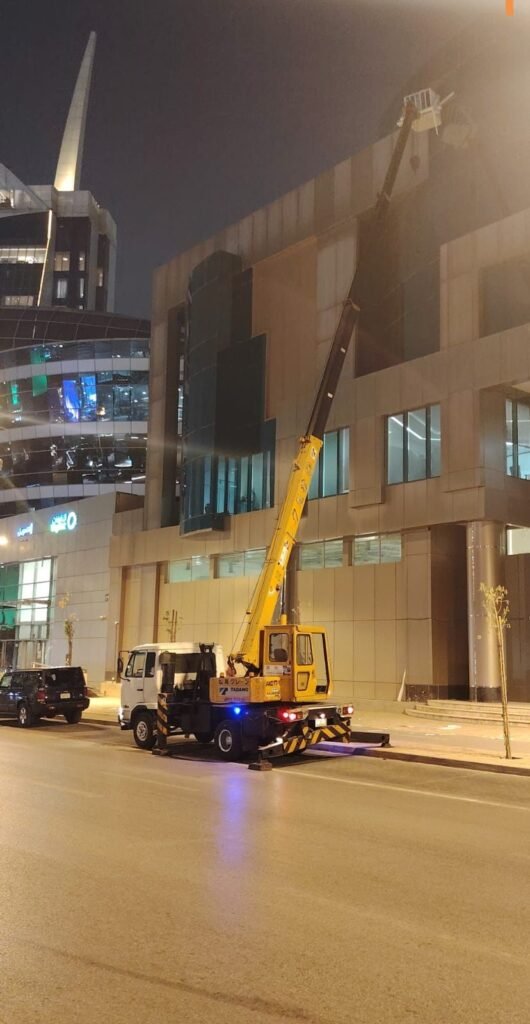
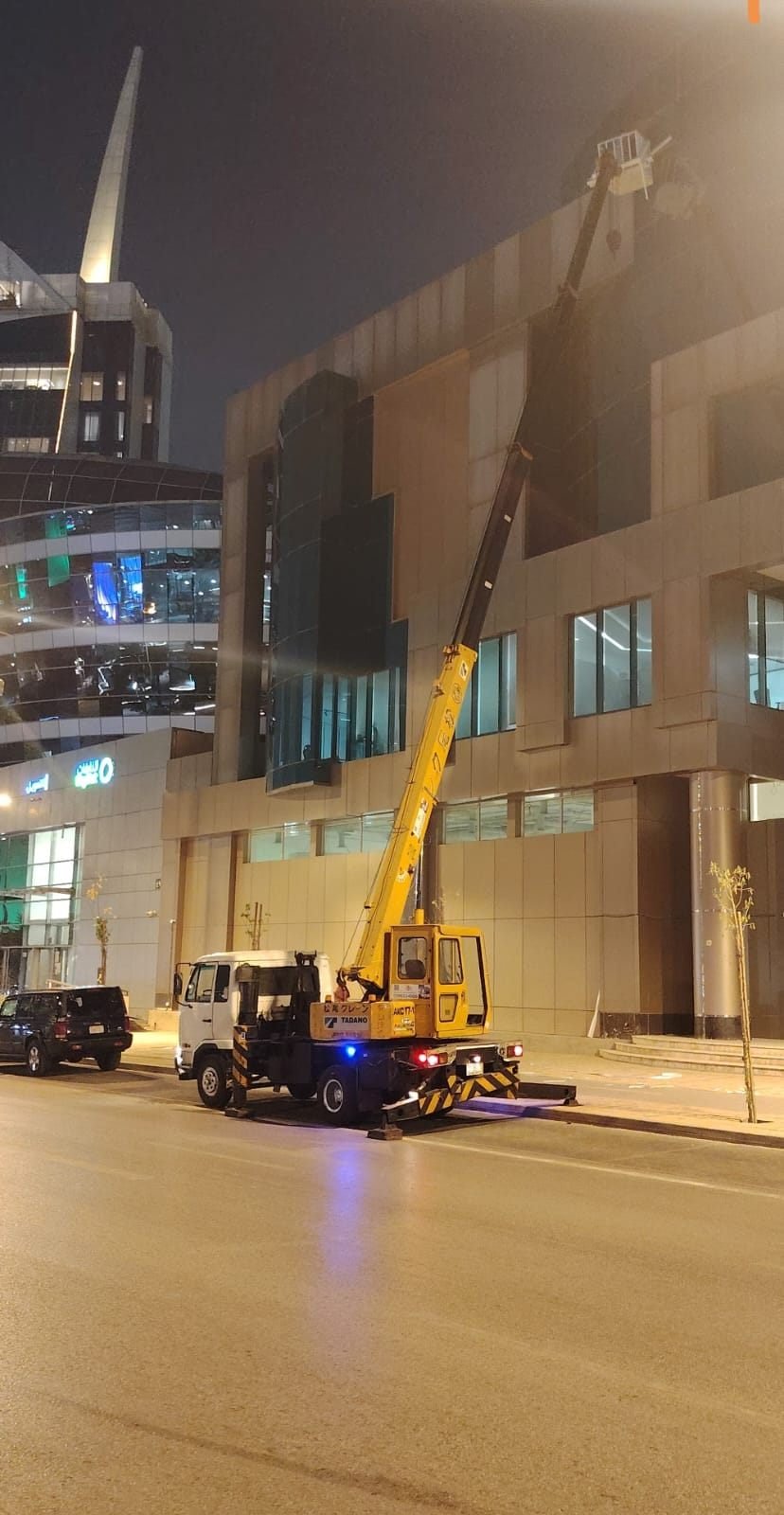
Mobile cranes are the most common choice for short and medium-duration projects in Saudi Arabia, offering the flexibility to drive onto site, complete a series of lifts, and relocate to another job without the setup time a tower crane requires. They range from smaller all-terrain units suited to congested urban sites to large capacity models capable of major structural steel and precast lifts. Tower cranes, by contrast, are the standard choice for extended high-rise construction, where their fixed position and tall reach let them service an entire building footprint throughout a multi-month or multi-year build. Crawler cranes fill a third niche, offering very high lifting capacity on tracks rather than tires, which makes them well suited to heavy industrial and infrastructure projects where ground conditions or lift weights rule out wheeled alternatives. Matching the right category to your project isn’t just about capacity, it’s about matching the crane’s operating profile to how long you’ll need it on site and how the site itself is laid out.
Site Assessment Checklist Before You Book
Before finalizing any crane rental, a proper site assessment should answer several questions: what is the maximum lift weight and at what radius, what ground conditions will the crane be operating on, are there overhead obstructions like power lines or existing structures, and what access routes exist for delivery and setup. Ground bearing capacity deserves particular attention in Saudi Arabia, where sites can range from solid rock to soft reclaimed land, and outrigger pad requirements will differ significantly between the two. A reputable rental provider will ask for this information upfront rather than showing up with a crane and hoping it fits, and you should be cautious of any provider who skips this step.
Common Mistakes to Avoid
The most frequent mistake project managers make is undersizing the crane based on the heaviest single lift without accounting for the working radius that lift will actually require, which changes the crane’s effective capacity substantially. Another common issue is failing to confirm ground conditions before mobilization, leading to delays when outriggers can’t be safely set on arrival. Booking too close to your planned start date is a third pitfall, particularly during periods of high regional demand when suitable cranes may simply not be available on short notice. Finally, some teams overlook rigging and signaling requirements, assuming the crane operator alone is sufficient, when Saudi safety practice and most reputable providers require certified riggers and signalers as part of any lift plan.
What Actually Drives Crane Rental Cost
Crane rental pricing in Saudi Arabia is shaped by capacity class, rental duration, mobilization distance, and whether the job requires a certified operator and rigging crew as part of the package. Short-term mobile crane bookings for a single lift will generally cost more per day than a monthly contract, since the provider has to account for setup, teardown, and transport within a shorter billing window. Projects in remote or industrial zones further from major cities may carry additional mobilization charges to cover transport distance. Getting an accurate quote requires sharing your lift weights, radius, site conditions, and expected duration upfront rather than asking for a generic daily rate, since the right crane class for your job may cost more or less than you initially assumed.
Working Within Saudi Safety and Regulatory Requirements
Crane operations in Saudi Arabia fall under Civil Defense and site-specific safety requirements that govern everything from exclusion zones to operator certification. Reputable rental providers supply cranes with current inspection certificates and operators holding valid licenses, and they should be able to produce this documentation on request. For projects near sensitive infrastructure, religious sites, or high-pedestrian-traffic areas, additional coordination with local authorities may be required before lifts can proceed, and an experienced provider will typically flag this need during the initial site assessment rather than leaving you to discover it once equipment has already been mobilized.